Korea Ice Fishing Festival Checklist: Gear, Cold & Bait Rules
Essential Korea ice fishing festival checklist for Hwacheon and Pyeongchang. What to wear for -15°C wind chill, banned bait, gear tips, and grill lines.
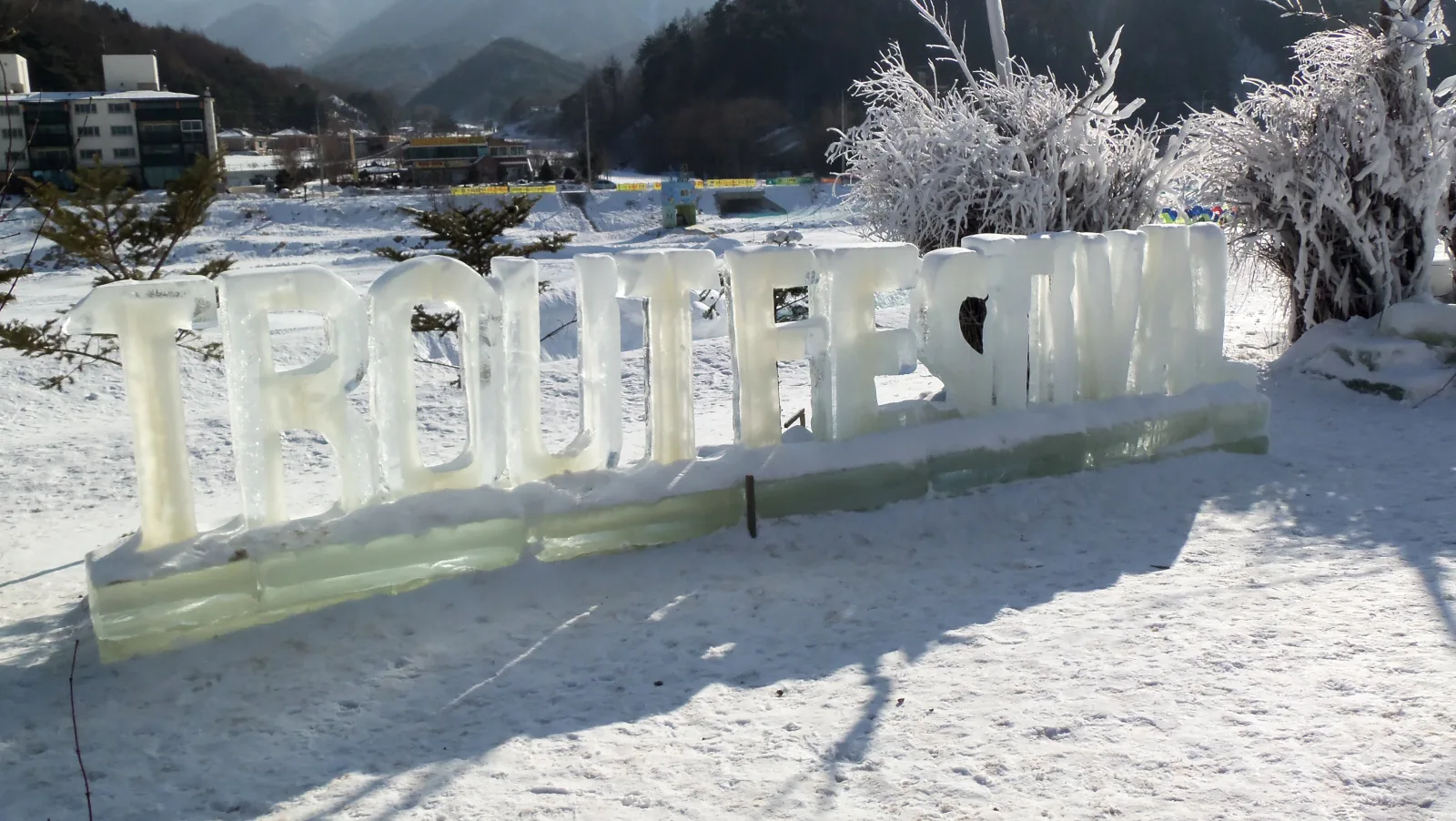
A complete checklist for winter ice fishing festivals in Korea, including Hwacheon Sancheoneo and Pyeongchang Trout. Learn why adhesive heat packs for your feet and a small folding chair matter more than heavy coats, why live bait is banned, and how to avoid long waits at the grill counters.
Thirty minutes on top of a frozen river in Gangwon-do will numb your toes regardless of how heavy your down coat is. Travelers who hop on a morning shuttle from Seoul relying solely on the cheap plastic rod handed out with their tour package often end up shivering in -15°C wind chill without landing a single bite, only to spend two hours trapped in line at the grill center. Following this practical Korea ice fishing festival checklist before boarding your bus will save your day on the ice.
Korea ice fishing festival checklist by category
Knowing what to pack in advance versus what to pick up at the venue makes a major difference in comfort and expenses.
| Item category | Pack beforehand (Daiso, online) | Buy or rent on site | Prohibited or impractical gear |
|---|---|---|---|
| Footwear & lower body | Adhesive foot warmers, 2 pairs wool socks, waterproof snow boots | Site rental boots cost 15,000 to 20,000 won and offer mediocre insulation | Canvas sneakers, fashion UGG boots (they soak through slush) |
| Upper body & head | Windproof parka, touch/finger-slit gloves, neck gaiter, 5 hand warmers | Convenience stalls sell warmers at 1,500 won each | Wool trench coats, thin leather gloves (stiffen instantly in wind) |
| Fishing equipment | Mini ice reel rod (around 10,000 won), artificial lures (soft worm/metal jig) | Basic plastic gyeonji rod sets (3,000 to 5,000 won) | Live bait (worms, minnows strictly banned), multi-hook snag lines |
| Seating & comfort | Portable folding camping stool, thick foam sit pad | Stalls sell low plastic stools for 5,000 won (sell out early) | Personal pop-up tents, portable gas cooking stoves (banned) |
| Fish handling | Small ice skimmer scoop, large heavy-duty Ziploc bags, wet wipes | Ice scoops sell for 3,000 won, plastic bags provided at check-in | Submerging keepnets into ice holes (prohibited at most venues) |
Without insulating your feet from conductive ice chill, most first-time visitors give up within an hour. Here is how seasoned winter anglers prepare.
Stopping conductive cold from the 30cm ice sheet
The bitter mountain air in Gangwon-do is unforgiving. Winter morning temperatures recorded at the Daegwallyeong station hover around -12°C, and Chuncheon frequently dips below -10°C. Out on a 30cm-thick frozen river plain, biting valley winds push the wind chill down to between -15°C and -18°C.
One visitor who attended opening day last season noted that relying on a knee-length down jacket with standard city sneakers left their toes so frozen that they had to leave the ice after just one hour. The cold conducted directly through shoe soles penetrates ordinary footwear within twenty minutes.
Layer a thin moisture-wicking sock underneath thick merino wool socks, and stick an adhesive foot warmer beneath your toe area. The single most effective insider trick is bringing a small portable folding stool so you can elevate your boots off the ice surface entirely onto the stool rung or a foam cushion. Waterproof outer boots are mandatory, as melted slush around active fishing holes quickly turns fabric footwear into ice blocks.
Festival lure regulations and rod choices
Bait regulations catch many international visitors by surprise. To prevent stream pollution and fish die-offs, every Korean ice fishing festival strictly bans live bait, including earthworms, maggots, live minnows, and dough pastes. Anyone caught using live bait faces immediate ejection without admission refunds. Multi-hook weighted snag rigs are equally prohibited.
Lure rules also differ between major festivals: At the Hwacheon Sancheoneo Festival, small flashy metal jigs weighing 14g to 20g draw the most aggressive strikes from mountain trout. At the Pyeongchang Trout Festival, organizers prohibit metal gyeonji lures on the ice sheet. Instead, you must rig soft silicone worms (3-inch neon or orange grub worms) onto small jig heads.
The 3,000 won plastic hand-line rods (gyeonji) included in standard foreigner tour packages lack depth control and sensitivity. Ordering an inexpensive mini ice reel rod online beforehand gives you smooth spool control, allowing you to sense gentle winter trout nibbles with far greater accuracy.
Jigging techniques that provoke bites
Dropping a line and waiting passively rarely produces results. Sancheoneo and rainbow trout cruise in schools roughly 10cm to 30cm above the riverbed.
Drop your sinker until it hits bottom, then crank your reel two or three turns to suspend the lure slightly above the floor. Use smooth wrist snaps to lift the rod tip 20cm to 30cm, letting it flutter naturally back down every 3 to 5 seconds. This rhythmic jigging action makes your silicone worm or spoon resemble an injured minnow.
Avoid aggressive whipping motions, which scare curious fish away. Kneeling and peering directly into the ice hole to sight-fish is a proven tactic. Look for shaded zones or boundary lines near underwater retention nets, where schools gather and circle throughout the morning.
Catch limits and avoiding grill center bottlenecks
Festivals impose strict catch limits per ticket. Hwacheon caps catches at 3 fish per person, while Pyeongchang limits you to 2 fish. When experienced anglers hit their bag limit early, local custom encourages handing bonus catches to neighboring families struggling to land one.
On-site grill facilities and raw fish preparation centers will cook your catch for roughly 3,000 to 4,000 won per fish. Timing here determines your comfort. Between 11:30 AM and 1:30 PM, grill waiting queues routinely stretch past 100 ticket numbers, translating into one to two hours in line. The winning routine is focusing your fishing during the early morning restock between 8:30 AM and 10:30 AM, handing your trout to the grill counter before 11:10 AM, or scheduling your meal after 2:00 PM.
Private tents and gas burners are barred from the open ice, so travelers desiring shelter must book dedicated tent zones in advance.
Related winter festivals and practical guides
Coordinate your ice fishing adventure with transit planning and nearby winter festivals across Gangwon-do.
- Hwacheon Sancheoneo Ice Festival: 2027 festival dates, ticket options, and shuttle buses from Seoul
- Pyeongchang Trout Festival: KTX Jinbu Station transit and tent fishing reservations
- Korea Winter Travel Guide: Weather expectations and winter layering strategies for Seoul and Gangwon-do
Frequently asked questions
Can I bring my own camping tent or portable stove to the ice?
No. Personal pop-up tents, sunshades, and portable gas stoves are strictly prohibited on the general ice fishing grounds for safety and ice integrity. If you want to fish inside a heated tent, book the designated online-reservation tent zone at the Pyeongchang Trout Festival in advance.
Why is live bait prohibited at Korean ice fishing festivals?
Live bait such as earthworms, maggots, minnows, and dough bait is banned across all festival streams to prevent water pollution and protect native river ecology. Organizers conduct routine inspections and will escort violators off the ice without ticket refunds. Only artificial lures like soft plastic worms or metal jigs are allowed.
How many fish can I take out of the venue?
Hwacheon limits catch to 3 sancheoneo trout per ticket holder, while Pyeongchang caps it at 2 trout per person. If you catch extra fish, it is customary on site to gift them to nearby families who have not caught any.
Sources
- Hwacheon Sancheoneo Ice Festival official guidelines, Nara Foundation (accessed )
- Pyeongchang Trout Festival official guidelines, Pyeongchang Trout Festival Committee (accessed )
- Trazy Blog: Korea Ice Fishing Festivals Guide – What to Wear & Essential Packing Checklist, Trazy (accessed )
- Creatrip: Hwacheon Sancheoneo Ice Festival Tips – Winter Layering, Foreigner Shuttle, and Fishing Tricks, Creatrip (accessed )
- Korea Meteorological Administration Automated Synoptic Observing System (ASOS) Daegwallyeong & Chuncheon, KMA, Public Data Portal (accessed )