Travel and ExperiencesJeju camellia seasonCamellia Hill Jeju
Jeju Camellia Season Guide: Best Spots, Bloom Times & Transit
Plan your Jeju camellia season trip with ease. Compare Camellia Hill and Dongbaek Forest, understand bloom periods, avoid afternoon shadows, and navigate buses.
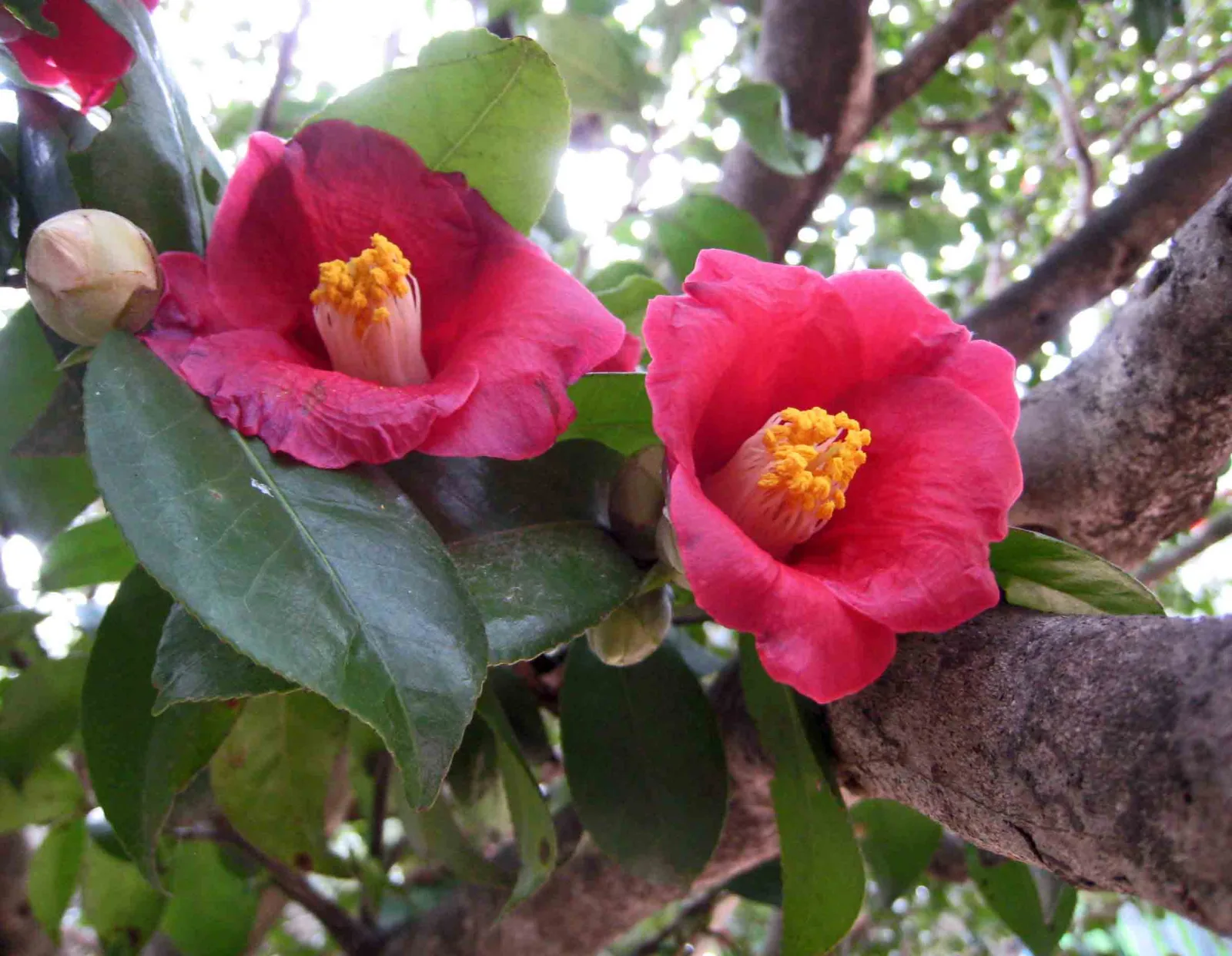
Jeju winter camellia blooms divide into two distinct waves: pink Sasanqua flowers peaking from late November to late December, and native crimson Japonica blooms flourishing from January onward. Tall grove canopies cast dense shadows after 3:30 PM, so schedule your outdoor shoot between 10:00 AM and 2:30 PM. Focus on one geographic cluster per day, as western Camellia Hill and southeastern Namwon arboretums sit over 30 kilometers apart.
Planning a trip for the Jeju camellia season often leads to an unexpected surprise if you only look at social media photos: visitors who head to traditional wild camellia groves in November or early December are greeted by green leaves and closed buds. The winter bloom on Jeju Island is divided into two distinct waves—early pink Sasanqua camellias peaking from mid-November through late December, and indigenous crimson Japonica camellias blooming from January through March. Missing this distinction, or arriving at tree groves after 3:30 PM when winter shadows engulf the gardens, can easily derail your photography plans.
Here is a practical breakdown of how to choose the right garden, time your visit for ideal lighting, and avoid transit headaches on Jeju Island.
Choosing Your Jeju Camellia Season Destination: Quick Comparison
Jeju hosts four primary camellia destinations across its southern coast, each catering to different travel styles, mobility requirements, and photography goals.
| Destination | Region & District | Peak Flowering Period | Adult Admission | Winter Hours | Key Highlight & Visitor Focus | Transit Convenience |
|---|---|---|---|---|---|---|
| Camellia Hill | West (Andeok-myeon) | Late Nov – Jan | 10,000 KRW (online ~8,500 KRW) | 08:30–18:00 (last entry 17:00) | Families with strollers, paved wide paths, spacious greenhouses and cafes | Moderate (bus 282 transfer or 15-min taxi from Jungmun) |
| Jeju Camellia Arboretum | South (Namwon-eup, Wimi) | Early Dec – Mid-Jan | 8,000 KRW | 09:00–17:30 (ticket cut-off 17:00) | Giant round-trimmed manicured trees, dense pink carpet on walking paths | Limited (10-min walk from coastal bus stop, taxi recommended) |
| Dongbaek Forest | South (Namwon-eup, Sinheung) | Early Dec – Late Jan | 6,000 KRW (cafe drinks separate) | 09:00–17:30 (ticket cut-off 17:00) | Young couples, famous 2nd-floor cafe picture-frame window spot | Challenging (mid-mountain setting, sparse buses, Kakao T needed) |
| Hueree Natural Park | South (Namwon-eup, Sinrye) | Mid-Nov – Late Jan | 13,000 KRW (online ~10% off) | 09:00–18:00 (last entry 16:30) | Families with children, earliest greenhouse blooms, animal feeding areas | Moderate (buses 621 or 622 from Seogwipo downtown) |
If you are traveling with elderly parents or young children needing strollers, Camellia Hill provides the smoothest infrastructure with fully paved walkways, multiple heated indoor greenhouses, and rest pavilions. If your goal is walking beneath towering, spherical trees that look like giant pink sculptures, Jeju Camellia Arboretum in Wimi-ri offers the most dramatic outdoor perspective.
Dongbaek Forest is widely known for its iconic indoor photo frame on the second floor of its whitewashed cafe, looking directly into the floral canopy. On weekend afternoons, the waiting list for this single window can stretch from 40 to 60 minutes. Queue up at the digital registration kiosk inside the cafe lobby the moment you arrive before exploring the outdoor trails.
Sasanqua vs. Japonica: Bloom Timing Realities
The biggest misconception about Jeju winter travel is assuming all camellia gardens bloom at the same time. The picturesque pink blossoms that blanket walkways in late autumn belong to Camellia sasanqua, an introduced cultivar that sheds its petals individually like cherry blossoms. Manicured private arboretums across Andeok and Namwon cultivate these varieties, which hit full saturation between late November and mid-December.
Native Korean camellias (Camellia japonica), by contrast, produce deep red blossoms with thick yellow stamens that drop entirely intact as whole flowers. These trees bloom much later in the winter chill, typically starting in January and continuing through February and March. Natural reserves such as the Dongbaekdongsan forest in Seonheul-ri and heritage tree clusters in Wimi-ri feature these wild species.
Visiting a native forest reserve in November leaves you looking at unbloomed foliage. Conversely, visiting Sasanqua arboretums in February means seeing wilted, brown petals. Target private arboretums in November and December, and reserve wild village groves for January and February trips.
Sunlight Windows, Chilly Sea Winds, and Outfit Coordination
Even though ticket counters remain open until 5:00 PM, arriving late in the afternoon will ruin your photos. Official meteorological data for Jeju shows sunset occurring at approximately 5:27 PM in mid-December. Because the camellia trees grow between 4 and 5 meters tall in dense clusters, deep shadows sweep across the garden grounds by 3:30 PM.
Once the low winter sun dips behind the canopy, smartphone cameras struggle with grain and muted contrast, turning vivid petals muddy. The golden window for clear, evenly lit portraits is between 10:00 AM and 2:30 PM when direct sunlight illuminates both the high branches and the fallen ground petals.
Selecting the right clothing colors makes a noticeable difference in your photos:
- Recommended Tones: Ivory, cream, warm beige, and light oatmeal knits or wool coats pop cleanly against the emerald-green foliage and pink floral backdrop.
- Tones to Avoid: Crimson, fuchsia, or magenta tops clash with and disappear into the surrounding flowers, while heavy black down jackets create a dark block in shaded forest alleys.
Do not be fooled by coastal thermometer readings showing 10°C to 12°C. Winter winds off the Jeju coastline routinely clock between 6 and 8 meters per second, dragging the perceived wind-chill temperature down to 4°C or lower. Bring a warm muffler, windproof outer layer, and pocket heat packs so you can comfortably stroll through outdoor paths for an hour or more.
Public Transit Routes and Taxi Logistics
Jeju does not have a rail network, and the geography between the west coast and the southeast coast is separated by Mount Hallasan. Camellia Hill in Andeok-myeon and the arboretums in Namwon-eup sit more than 30 kilometers apart. Navigating between them via public bus requires transferring through Seogwipo downtown or Jungmun, easily consuming over two hours one way.
To keep your schedule reasonable without a rental car, choose one cluster per day:
- Western Cluster (Camellia Hill): From Jeju International Airport or Jeju Central Bus Terminal, board Trunk Bus 282 along the Pyeonghwa-ro highway. Get off at the Sangchang-ri intersection and either transfer to a local feeder bus or take a quick 5-minute taxi ride to Camellia Hill. This route pairs smoothly with nearby cafes in Andeok or the Jungmun Resort area.
- Southeastern Cluster (Namwon-eup): Base yourself in Seogwipo city center. Take coastal Trunk Bus 201 or Express Bus 231 eastward to Wimi-ri, followed by an 8-to-10-minute walk to Jeju Camellia Arboretum. To continue from Wimi-ri up to Dongbaek Forest in Sinheung-ri, local bus schedules are sparse; using the Kakao T app to call a local taxi (roughly 10 minutes, 7,000 to 9,000 KRW) saves substantial time.
Empty taxis rarely patrol rural inland roads in Namwon during the late afternoon. Call your taxi through mobile ride-hailing apps about 15 minutes before you wrap up your garden walk.
Connecting Guides for Your Jeju Winter Itinerary
After an active morning walking through cold coastal breezes, pair your garden route with soothing hot springs or hearty regional food. A morning at Camellia Hill connects naturally with the mineral waters of Sanbangsan Carbonate Hot Springs, while an outing in Namwon leads straight into Seogwipo Maeil Olle Market for warm pork noodle soup.
For a smoother winter journey across South Korea, check out these related travel resources:
- Korea winter weather and packing guide: Regional temperature differences, wind chill data, and layering tips from November through February.
- Naver Map and KakaoMap transit navigation guide: How to navigate public buses and walking paths in Korea where Google Maps walking directions are disabled.
- Korea travel card and cashless payments guide: Practical tips on using foreign cards, WOWPASS cards, and automated ticket kiosks across Korea.
Frequently asked questions
When is the peak bloom for camellias in Jeju?
Peak bloom depends strictly on the camellia species. Sasanqua varieties at manicured arboretums like Camellia Hill and Jeju Camellia Arboretum hit peak bloom from late November through mid-December, dropping petals that form pink carpets. Indigenous Korean camellias in natural forest reserves bloom later, from January through March.
What is the best time of day to take photos at Jeju camellia arboretums?
The prime photography window runs between 10:00 AM and 2:30 PM. With winter sunset arriving around 5:27 PM in Jeju, the 4-to-5-meter-tall tree canopies block direct sunlight starting at 3:30 PM, leaving gardens in dark, flat shade well before closing time.
What should I wear for winter camellia photography?
Light ivory, cream, off-white, or soft beige knits and wool coats contrast best against the dark green leaves and deep pink flowers. Avoid dark red or magenta clothing that blends into the blossoms, as well as bulky black down jackets that look heavy in shaded woodland paths.
Can I visit both Camellia Hill and Jeju Camellia Arboretum on the same day by public bus?
Visiting both on the same day using public buses is impractical. Camellia Hill is located in southwestern Andeok-myeon, while Jeju Camellia Arboretum sits in southeastern Namwon-eup—over 30 kilometers apart without a direct bus link. Transferring takes over two hours. Pick one regional cluster per day instead.
Sources
- 카멜리아힐 공식 이용안내 및 동절기 운영시간, 카멜리아힐 (accessed )
- 비짓제주(Visit Jeju) 카멜리아힐 및 제주 동백 관광명소 정보, 제주관광공사 (accessed )
- 제주동백수목원 개찰 및 관람 요금 안내, 제주관광공사, 서귀포시 (accessed )
- Jeju Escape: Winter in Jeju Camellia Hill and Arboretum Guide, Jeju Escape (accessed )
- VisitKorea: Camellia Hill (카멜리아힐) Opening Hours, Admission & Transportation, Korea Tourism Organization (accessed )
- The Soul of Seoul: Top Jeju Camellia Spots for Winter Photography, The Soul of Seoul (accessed )