Travel and Experiencesjeju 3 day itineraryjeju 3 days 2 nights
Jeju 3 Day Itinerary: Realistic Rental Car and Bus Routes
A realistic Jeju 3 day itinerary for first-time visitors. Choose between the volcanic east and scenic southwest without wasting hours on the road.
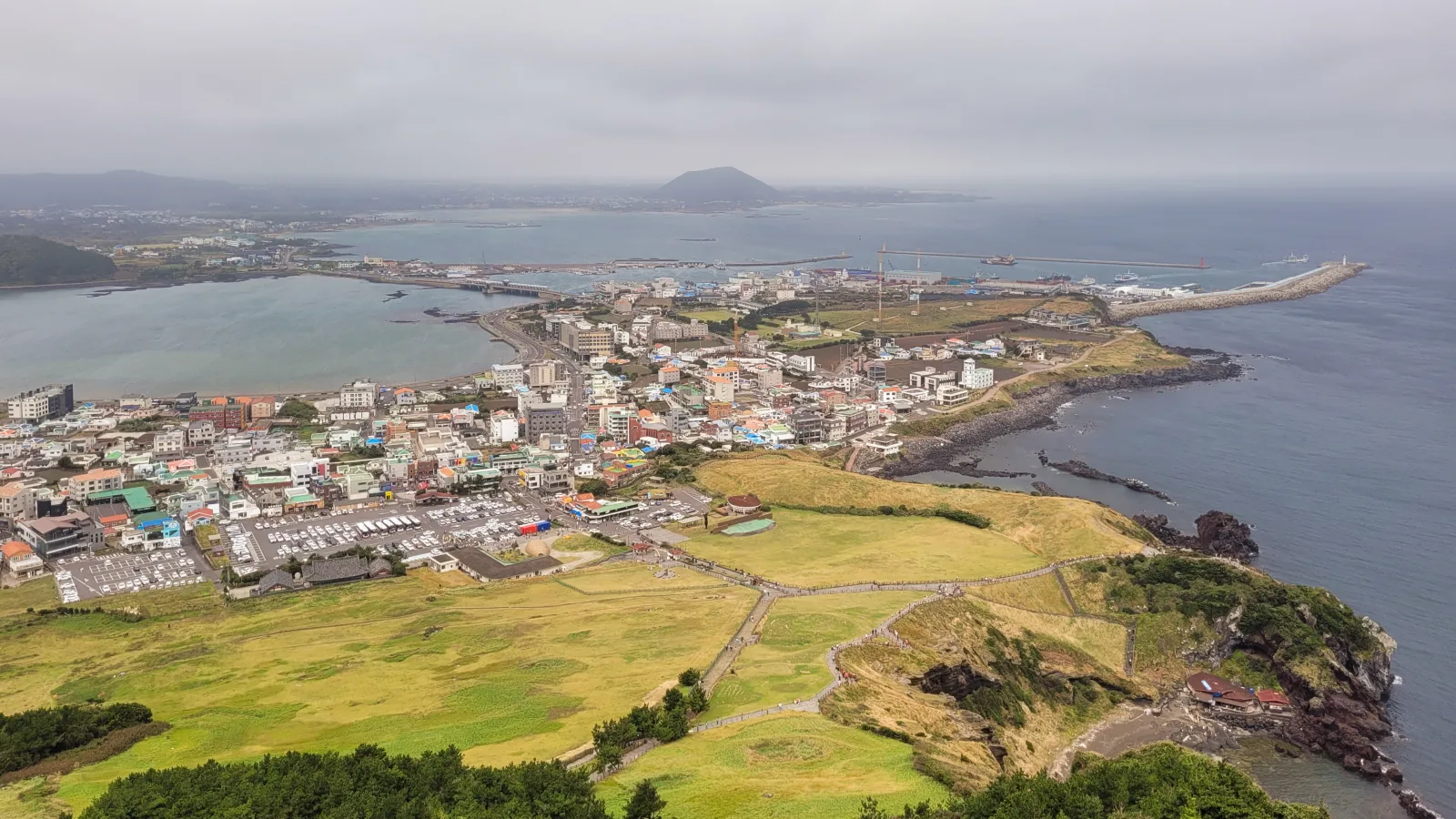
Jeju Island is three times the size of Seoul, making it impossible to cover the entire island in three days without spending half your trip stuck in transit. This guide outlines two focused routes, practical rental car insurance caveats, red express bus routes paired with Kakao T, and airport bag delivery services.
The most common mistake first-time travelers make when planning a Jeju 3 day itinerary is underestimating the size of the island. Jeju is three times the size of Seoul, and driving between opposite coasts easily eats up 90 minutes to two hours each way. Trying to check off Aewol, Seogwipo waterfalls, and Seongsan Ilchulbong across three short days guarantees you spend over three hours a day staring at asphalt.
A successful three-day trip requires picking one primary region: the volcanic east or the coastal southwest. Whether you drive a rental car or rely on public transit, sticking to a focused sector keeps your schedule realistic and stress-free.
Choosing Your Jeju 3 Day Itinerary Transit Strategy
Your group size and willingness to drive determine your base and transit logistics. Compare both approaches before locking in hotel reservations or rental bookings.
| Factor | Rental Car Route (East Coast Focus) | Public Transit Route (Red Express Bus) |
|---|---|---|
| Best For | Families with children, travelers with heavy luggage, maximum time flexibility | Solo travelers, non-drivers, relaxed cafe-hopping and scenic walks |
| Recommended Base | Night 1 in Jeju City, Night 2 in Seongsan or Pyoseon | Stay all 2 nights in Jeju City (Yeondong or near Jeju Bus Terminal) |
| Day 1 Focus | Airport pickup, rental lot shuttle, Hamdeok Beach, Dongmun Night Market | Airport luggage drop service, Bus 101, Hamdeok Seoubong walk, black pork |
| Day 2 Focus | Seongsan Ilchulbong, Seopjikoji, Bijarim Forest walk, Woljeongri | Bus 111, Seongsan crater, taxi link, Bijarim ancient forest, return to city |
| Day 3 Focus | Saryeoni Forest boardwalk, local noodle alley, return rental car | Saryeoni trail stroll, souvenir shopping in downtown, airport departure |
| Key Precaution | Verify tire and single-car accident insurance riders, avoid mountain routes at night | Never wait for blue local buses, use red express lines (100-series) plus Kakao T |
| Estimated Transport Cost | 150,000 to 230,000 KRW (off-peak rental, fuel, insurance) | 15,000 KRW for T-money card balance plus 30,000 to 40,000 KRW for short taxi hops |
Option 1: The Eastern Volcanic Coast Route
The eastern sector is the top recommendation for first-time visitors because it packs Jeju’s trademark volcanic topography, clear turquoise water, and ancient nutmeg tree forests into manageable driving distances.
Day 1: Turquoise Waters and Night Market Flavors
If you arrive on a morning flight, travelers without cars should head straight to the luggage delivery counters on the first floor of the arrival hall. Forwarding your bags directly to your hotel frees your hands immediately. Those picking up rental cars should exit through Gate 5 and cross the crosswalk to the Rental Car Shuttle Station (Rental Car House).
Head east to Hamdeok Beach, a 40-minute drive from the airport. Walk up Seoubong Hill along the right side of the beach for a 20-minute panoramic view over the sandbar. In the afternoon, follow the coastal road toward Woljeongri for coffee overlooking the windmills, then head back to Jeju City. Spend the evening browsing Dongmun Traditional Market for abalone rice balls, grilled pork skewers, and citrus juice.
Day 2: Seongsan Crater and Bijarim Ancient Forest
Start early on Day 2 to reach Seongsan Ilchulbong. The tuff cone features two trails: the paid summit trail with a steep 50-minute round-trip stairway climb, and the free coastal path along the grassy cliff to the left. Reaching the crater rim rewards you with views across the ocean toward Udo Island. If steep stairs present mobility issues, the free coastal trail still offers scenery against the dramatic black volcanic cliffs.
Have a bowl of spicy seafood hot pot in Seongsan town before driving 20 minutes to Seopjikoji. The red volcanic cinder pathway leading up to the white lighthouse showcases Jeju’s rugged coastline.
Around 2:30 PM, enter Bijarim Forest in Gujwa-eup. This ancient sanctuary contains over 2,800 nutmeg trees ranging from 500 to 800 years old. The flat scoria path takes about an hour to walk and remains easy on the joints, with cedar and nutmeg scents cutting through travel fatigue.
Day 3: Cedar Woods and Local Noodles
Head to Saryeoni Forest on your final morning, making sure to use the Red Oreum (Bulgeun Oreum) entrance on the Seogwipo side. The Gyorae-ri entrance in Jeju City involves a long gravel hike with limited parking, while the Red Oreum entrance offers a wide wooden boardwalk loop that takes under an hour.
Return to Jeju City for lunch along the noodle alley, ordering hot bowls of gogi-guksu (pork noodle soup with rich bone broth). If time permits before your departure flight, stop by Dodu-dong Rainbow Coastal Road for photos before heading to the airport.
Option 2: The Southwest Coast and Ocean Bluff Route
Travelers who prefer hillside tea plantations, volcanic hexagonal bluffs, and quiet coastal walking paths will find the southwest appealing.
- Day 1: Arrive at Jeju Airport and travel west to the Aewol Handam Coastal Walk. Stroll along the rocky path bordered by clear waters, then continue to Hyeopjae Beach for close-up views of Biyangdo Island. Enjoy grilled black pork in Hallim before heading to your hotel in Seogwipo.
- Day 2: Visit Yongmeori Coast beneath the towering cliffs of Mount Sanbangsan. The sandstone layer formation resembles a dragon entering the sea, but waves and high tides frequently shut down access. Call the visitor center or check morning notices before driving over. Continue to the Osulloc Tea Museum green tea fields, view Jeongbang Waterfall plunging directly into the sea, and spend the evening dining at Seogwipo Olle Market on garlic fried chicken and fresh sashimi.
- Day 3: Walk along the Daepo Jusangjeolli hexagonal basalt bluffs in Jungmun. Drive north along Pyeonghwa-ro highway toward Jeju City to buy citrus chocolates and omegi rice cakes before checking in for your evening flight.
Three Practical Bottlenecks to Avoid
Most disruptions in Jeju stem from transit logistics, insurance fine print, and rapid temperature drops along the coast.
Inspecting Rental Car Insurance Coverage
Shuttle buses run from designated bays at the airport rental center to off-site rental depots. During weekends, shuttle queues can take 15 to 20 minutes, so have one passenger head out to the shuttle line while companions collect luggage.
When signing the rental contract, examine the fine print on CDW (Collision Damage Waiver) policies. Many baseline “Full Coverage” agreements only indemnify accidents involving registered third-party vehicles. Scraping a parking pillar, bumping a traditional basalt rock wall on a narrow village road, puncturing a tire, or scratching wheel rims are frequently excluded. Paying an additional 5,000 to 10,000 KRW per day for an upgraded single-vehicle damage rider prevents surprise repair and downtime fees upon drop-off.
If you are a novice driver, avoid driving the mountain routes across Hallasan (Routes 1100 and 516) after dark. Thick mountain fog, sharp switchbacks, crossing roe deer, and winter black ice make them hazardous. Stick to highway thoroughfares like Pyeonghwa-ro and Beonyeong-ro instead.
Navigating Without a Car: The Red Express Bus Rule
Foreign navigation apps like Google Maps do not provide transit route guidance in South Korea due to local mapping regulations. Download KakaoMap or Naver Map for navigation.
The biggest mistake without a car is waiting at rural stops for local blue or green buses, which often run on 40 to 90 minute headways. Rely exclusively on red express buses (100-series):
- Routes 101 and 102 circulate the coastal perimeter.
- Routes 111 and 112 run directly between Jeju Airport and Seongsan Port in 70 minutes.
- Routes 181 and 182 connect the airport, central mountains, and Seogwipo.
Take an express bus to the nearest major town center, then open Kakao T to call a taxi for the final 2 to 4 kilometers to your destination. Short taxi trips cost roughly 5,000 to 7,000 KRW, preserving both your schedule and your stamina.
Wind Chill and Early Winter Sunsets
Data from the Korea Meteorological Administration shows that while autumn and winter daytime temperatures in Jeju often hover around 18°C, coastal wind speeds consistently reach 3.5 to 3.9 meters per second. This wind chill drops perceived temperatures below 10°C within minutes.
Sunset in mid-November occurs at 5:31 PM, and outdoor visibility declines sharply after 4:30 PM. Plan outdoor sights like Seongsan Ilchulbong, Seopjikoji, and seaside walks strictly between 10:00 AM and 4:00 PM. Move indoors to traditional markets, cafes, or dinner spots as evening approaches.
Sunday afternoon security lines at Jeju Airport frequently stretch outside the screening hall, with waits exceeding 40 minutes between 2:00 PM and 6:00 PM. Arrive at least 90 minutes before domestic departure flights to clear screening comfortably.
Planning Resources for Your Stay
Pairing transit details with local connectivity makes navigating Jeju straightforward. If your itinerary falls between November and January, check our guide to Jeju Camellia Season and Top Viewing Spots to work southern blossom groves into your route.
For hands-on taxi dispatching advice, read our overview of Korea Taxi Apps and Foreigner Kakao T Setup. To keep navigation apps running without interruption across rural bus stops, review our recommendations for Korea eSIM Options and Data Activation alongside our walkthrough on Korea Currency Exchange and WOWPASS Cards.
Frequently asked questions
Can I travel around Jeju for 3 days without renting a car?
Yes. The key is avoiding slow local blue buses and sticking strictly to red express buses (100-series routes like 101, 102, 111, and 112) for long-distance transit. Use Kakao T to hail short taxi rides (usually 5,000 to 7,000 KRW) from express bus hubs to nearby cafes or trailheads. Booking a luggage delivery service from the airport directly to your hotel also eliminates the hassle of dragging suitcases onto public transit.
Should I hike Hallasan on a 3-day first trip to Jeju?
Do not attempt the full Hallasan summit hike to Baengnokdam on a short 3-day first trip unless mountain climbing is the sole purpose of your visit. The Seongpanak and Gwaneumsa trails take 8 to 9 hours round trip, completely consuming an entire day and leaving your legs exhausted for the rest of your stay. Walk the flat wooden boardwalk at Saryeoni Forest (Red Oreum entrance) or Bijarim Forest instead.
Does Super CDW rental car insurance cover all damages in Jeju?
Not always. Standard full coverage often only protects against collisions involving another registered vehicle. Single-vehicle incidents such as scraping stone walls or parking pillars, along with tire blowouts, rim scratches, and emergency towing, are frequently excluded. Always confirm the policy details at pickup and purchase the supplementary rider (around 5,000 to 10,000 KRW per day) that covers single-party damage.
Sources
- Visit Jeju official thematic travel courses and regional guides, Jeju Tourism Organization (accessed )
- Jeju Bus Information System: Express (Red) and Trunk Routes, Jeju Special Self-Governing Province (accessed )
- Jeju International Airport Rental Car Shuttle and Domestic Terminal Guide, Korea Airports Corporation (accessed )
- Reddit r/koreatravel: Realistic 3-day Jeju itinerary without a car, Reddit r/koreatravel (accessed )
- VisitKorea Official English Guide: Jeju Public Transportation System, Korea Tourism Organization (accessed )
- Korea Meteorological Administration Automated Synoptic Observing System (ASOS) Jeju Station, KMA, Public Data Portal (accessed )