Travel and Experiencestemple stay koreatemplestay korea
Temple Stay Korea for First-Timers: Prices and Booking
Book a temple stay in Korea on the official English site. Seoul prices: Geumsunsa weekday rest stay 80,000 won; Bongeunsa weekend program 120,000 won.
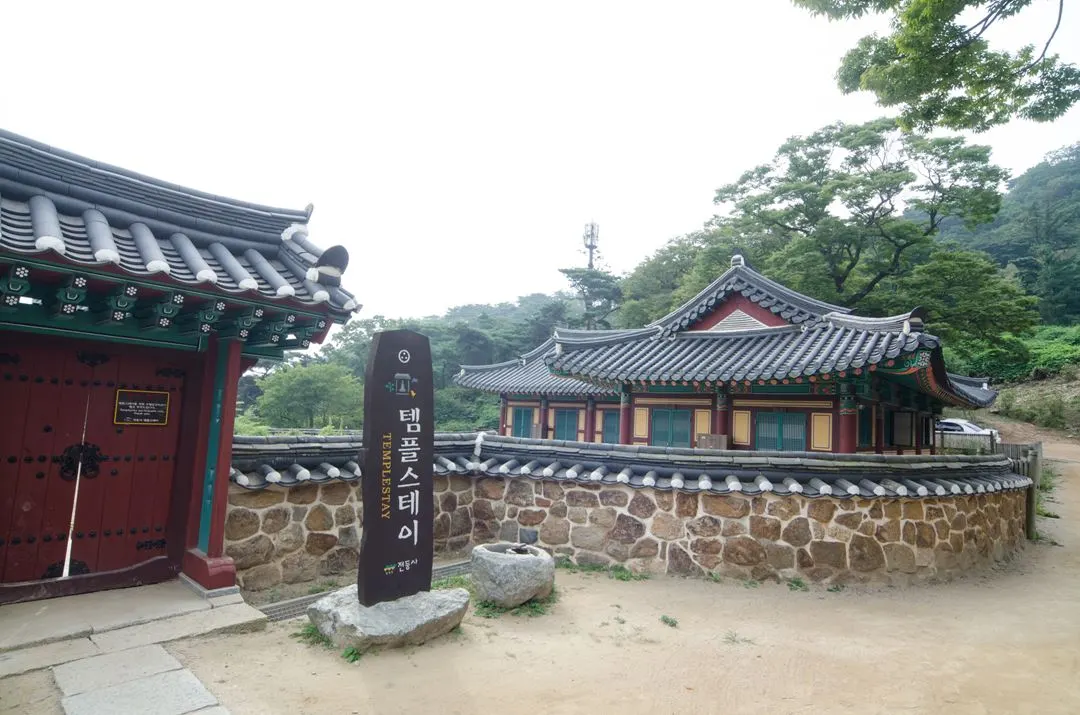
A temple stay in Korea is open to everyone, whatever your religion. You pick a temple and a program on the official booking site, and foreign visitors use the English pages at templestay.com/en. Prices vary by temple: Geumsunsa's weekday rest program in Seoul is 80,000 won for an adult, and Bongeunsa's weekend stay is 120,000 won now that its 100,000 won Cup of Tea program ended on October 31. Experience programs come with a set schedule that includes 108 bows, while rest programs leave most of the day free apart from meals.
Book a temple stay in Korea through the official English reservation site; you don’t need to be Buddhist or create an account. In Seoul, Bongeunsa’s English weekend stay costs 120,000 won per person, while a weekday rest stay at Geumsunsa costs an adult 80,000 won. Bongeunsa includes a 04:00 wake-up and 108 bows, so pick the program for its schedule as well as its price.
Temple stay Korea: which program fits your trip?
For an English weekend program with a full temple routine, choose Bongeunsa; for a quieter weekday night, consider Geumsunsa. You don’t need to be Buddhist to join either one.
| What you need | Program | Price per person | Booking detail |
|---|---|---|---|
| English weekend experience | Bongeunsa Regular Templestay | 120,000 won | Opens one month ahead; 04:00 wake-up |
| A weekday night with fewer set activities | Geumsunsa rest stay | Adult 80,000 won | Dawn chanting optional; English refund terms differ |
| Tea meditation without staying overnight | Jogyesa Seon of Tea | 50,000 won | English program; no card payment on site |
Use the official English reservation list to find the program by name. Geumsunsa and Jogyesa prices are from the November 3 check; Bongeunsa was checked on November 7. Geumsunsa’s Korean and English pages list different refund terms, set out below.
It’s a lot more popular than you might think. Close to 350,000 people took part in 2025, the most ever, and more than 55,000 of them were foreigners (figures from the Jogye Order, reported by The Korea Herald). The program started in 2002.
Experience, rest or one-day: which one to pick
For a first visit, you’ll be choosing between these three. The names don’t say much on their own, so here is how the official intro page describes the difference.
| Type | What you do | Good for |
|---|---|---|
| Experience (cheheomhyeong) | A set schedule of temple etiquette, chanting services, 108 bows, monastic meals, bead making and forest walks | People who want the full temple routine |
| Rest (hyusikhyeong) | Meals and services only; the rest of the time is yours | People who want to recharge, or who are traveling solo |
| One-day (dangilhyeong) | No overnight stay, at least 2 hours: temple tour, meditation, tea talk, crafts | People who aren’t ready to stay the night, or who have a tight itinerary |
One-day programs usually start at 10 a.m. or 1 p.m. The tea talk is a chat with a monk over tea. The monastic meal, balwoo gongyang, is eaten from four bowls, and you leave nothing behind.
What a day at the temple looks like
Bongeunsa’s weekend program starts on Saturday afternoon and finishes on Sunday morning. The early routine includes chanting followed by 108 bows, with tea with a monk later in the morning.
| Time | Bongeunsa Regular Templestay (Saturday–Sunday, 2 days, 1 night) | Geumsunsa rest program (weekday, 1 night) |
|---|---|---|
| First afternoon | 13:50–14:15 check-in and change, 14:15–14:50 temple etiquette, 14:50–15:50 temple tour | 14:30 opening ceremony |
| Evening | 17:00 dinner, 17:40 evening chanting service | 17:30 dinner, 18:15 bell-ringing and evening service (optional), 19:00 singing bowl meditation |
| Night | 18:30–21:00 self-meditation, 21:00 lights out | — |
| Dawn | 04:00 wake-up, 04:20–05:00 chanting, 05:00–05:50 108 bows | 04:40 dawn walk with the wooden clapper, 05:00 dawn service (optional) |
| Morning | 06:00–09:00 breakfast and break, 09:00–10:00 tea with a monk | 07:00 breakfast |
| End | 10:00–11:00 bedding, room cleaning, survey and closing | 10:30 finish |
This is Bongeunsa’s Regular Templestay listed through December 27, 2026. Breakfast and the break share one time block; there is no separate breakfast start time. Leave any Sunday plans until after the 11:00 finish.
Geumsunsa’s rest program marks dawn chanting as optional. Bongeunsa’s weekend schedule doesn’t label chanting or 108 bows as optional, and its guidelines ask participants to follow the timetable. If you want fewer scheduled early activities, choose the rest program.
Temple stay prices and how to book
There’s no single price list; each temple sets and posts its own prices. These are the amounts I checked on the official booking pages.
| Temple and program | Price |
|---|---|
| Bongeunsa Regular Templestay, 2 days, 1 night (Saturday to Sunday, English booking page, through December 27) | 120,000 won per person, any age |
| Bongeunsa Cup of Tea Templestay, 2 days, 1 night | Was 100,000 won; ended October 31 |
| Jogyesa English programs | Always Templestay (daily, one day) 10,000 won, Seon of Tea one day 50,000 won, Seon of Tea 2 days, 1 night 100,000 won |
| Geumsunsa rest program, 1 weekday night | 80,000 won for adults, 70,000 won for middle and high school students, 60,000 won for elementary school students |
When I checked again on November 3, the Bongeunsa Cup of Tea program had reached the end of its run (October 31), and the Korean temple page now lists only free weekday meditation and tai chi sessions. There’s no notice saying what replaces it. Geumsunsa’s booking page runs through January 31, 2027, so its prices stand.
On the booking site, you search by region, temple, program type and number of guests (1 to 10 people), then make your booking. Foreign visitors should use the English pages, where you can book as a guest (the old eng.templestay.com address now opens the Korean home page). The English FAQ says to contact the temple directly or email support@templestay.com to cancel or change a booking, and some temples, Myogaksa for one, say outright that foreign guests have to book there. The English program filter has the same four types as the Korean site: one-day, experience, rest and group.
When bookings open and when you have to pay also depend on the temple. Bongeunsa opens bookings a month ahead and takes them until the day before, and it can cancel your booking if payment isn’t confirmed within 3 days. Geumsunsa stops taking bookings 1 to 3 days before the stay.
I also read the English temple stay page on Visit Seoul. It lists seven Seoul temples that run English programs (Bongeunsa, Geumsunsa, Hwagyesa, International Seon Center, Jinkwansa, Jogyesa and Myogaksa) and says bookings should be made at least three days ahead. That page dates from 2015 and was last edited in 2022, so treat the details as a starting point and check the temple’s own booking page.
If you’ve seen temple stays advertised for 30,000 won, that’s the “Happy Double” discount, and it’s for Korean nationals only, so visitors can’t use it. The November notice says it costs 30,000 won for 2 days and 1 night, each person can book a given temple only once, and one booking can cover up to 4 people. Another 43 temples opened extra spots on October 26 at 1 p.m., and the same nationals-only rule applies to those.
What you get back if you cancel
There’s no site-wide rule; every temple sets its own. Check the refund terms on the program page before you book.
| Temple and program | Refund rule |
|---|---|
| Bongeunsa 2 days, 1 night (same for the weekend English program) | 100% two weeks before, 70% one week before, no refund within a week of the stay |
| Jogyesa English programs | 100% seven days before, no refund 1 to 6 days before (no card payment on site) |
| Geumsunsa rest program | Korean page: 100% four days before, 50% three days before, 20% two days before, no refund the day before or on the day. The English booking page lists only 100% four days before and no refund from three days before |
Bongeunsa says that if you just don’t show up without letting them know, you won’t be able to book its temple stay again. Geumsunsa lets you change your date once, and the same refund scale applies to the change.
What to pack and what to wear
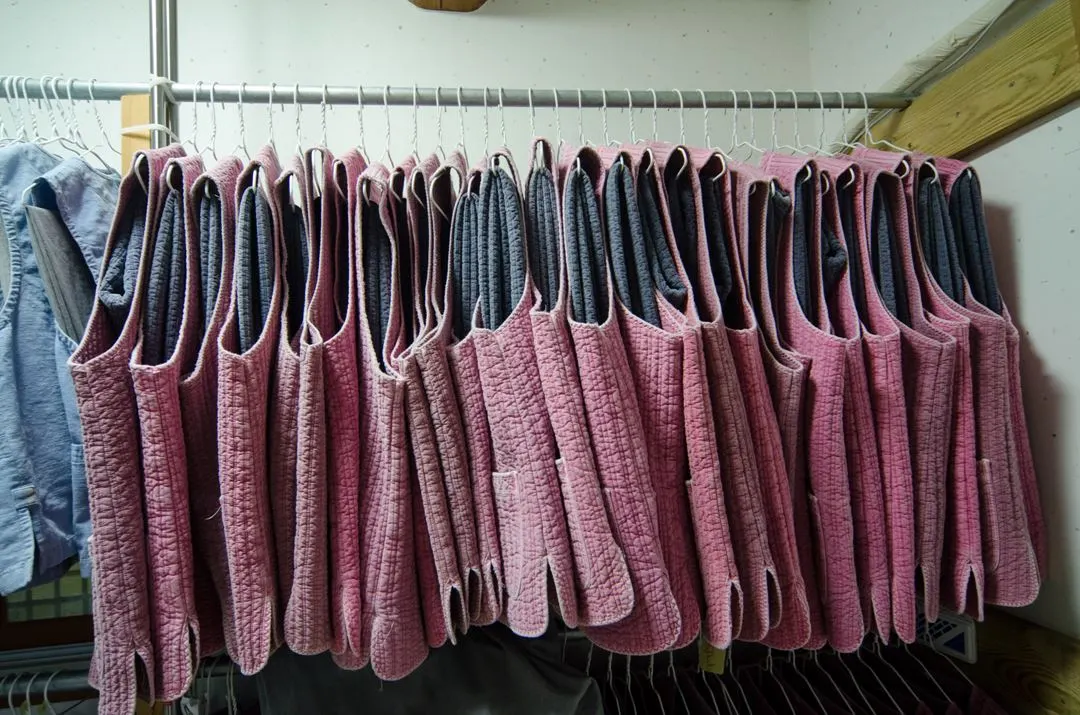
When you check in, you’re given temple clothes: a vest and trousers. According to the official FAQ, you should bring your own toothbrush, shampoo, towel, underwear, a change of clothes and a warm layer. Unless it’s midsummer, mountain temples get chilly in the mornings and evenings.
Bongeunsa provides soap, toilet paper and a hair dryer. Bring your own towel, toothbrush and toothpaste, plus socks for entering the prayer hall, a water bottle, umbrella and any personal medicine. Rooms are often large shared rooms for more than 15 people or smaller ones for 4 to 8, with shared toilets and showers. Some temples will give you a room for 1 to 4 people for an extra fee.
There aren’t many rules. No loud talking, no alcohol and no smoking, and you enter the main hall through a side door, not the center one. When you meet a monk, put your palms together and give a half bow. The Bongeunsa rules also ask you to walk quietly with your hands held in front of you. Meals are buffet style, but you have to finish whatever you take.
While smartphones are not formally prohibited on temple grounds, silencing all devices and keeping them out of sight during pre-dawn chanting (Yebul) and tea ceremonies (Dadam) is essential etiquette.
Daily temple rhythm: pre-dawn bells, vegan dining, and physical discipline
Temple stays follow a disciplined, monastic daily rhythm designed around mindfulness and reflection.
At mountain retreats like Geumsunsa in Bukhansan (overnight temple stay field report), arrival involves a steep pine-forest hike. Monastic meals (Baru Gongyang) are strictly vegan, served at set communal hours without snacks or outside food permitted. Mornings begin before sunrise with the resonant 04:30 temple bell signaling dawn meditation.
For martial arts programs such as Gyeongju’s Golgulsa (Sunmudo monastic martial arts stay), the schedule incorporates vigorous physical practice alongside spiritual routine: check-in by 14:30, Sunmudo demonstrations, 108 prostrations (Baekpalbae), 21:00 lights-out, and 05:00 pre-dawn chanting. Guests sleep on traditional floor mats (yo) in shared heated rooms (ondol), and monastic dining enforces an absolute zero-food-waste rule—not a single grain of rice or vegetable scrap may be discarded.
When packing for experiential stays (monastic retreat preparation guide), wear comfortable, breathable base layers to wear under the provided cotton temple vest and wide-legged trousers. Book directly through the official Templestay reservation portal, and adhere strictly to arrival check-in windows.
Going with kids or a friend from abroad
Children are generally welcome if a guardian comes with them, but the official FAQ says it varies by temple, so call ahead. Bongeunsa requires minors to be accompanied by a guardian, and Geumsunsa’s rest program accepts children in third grade and up when a parent joins them.
If you’re traveling with friends who don’t speak Korean, Jogyesa and Bongeunsa are both marked as “temples for foreigners” on the official temple intro pages. Jogyesa also has a 2.5-hour one-day program called “Walk of the Mind” for groups of four or more foreigners. Jogyesa is near Gyeongbokgung, so it pairs nicely with a hanbok rental the same day.
This September, 19 temples around the country ran a foreigners-only program at 30,000 won a night (Korea.net). It’s over now, but discounts like this come around a few times a year, so keep an eye on the notice board.
If you’re heading to a temple straight from the airport, getting from Incheon Airport to Seoul is worth a look. You’ll find more trip ideas in the travel category.
Frequently asked questions
Do I have to be Buddhist to do a temple stay in Korea?
No. The official FAQ says anyone can join regardless of religion, and plenty of participants follow other faiths.
How much does a temple stay cost?
It depends on the temple and program. On the official booking pages, Geumsunsa's weekday rest program in Seoul is 80,000 won for an adult, 70,000 won for a middle or high school student and 60,000 won for an elementary school child. Bongeunsa's 100,000 won Cup of Tea stay ended on October 31, and its English Regular Templestay (Saturday to Sunday) is 120,000 won through December 27.
Where do I book a temple stay in English?
On the English pages of the official site run by the Korean Buddhism Culture Project, templestay.com/en (you can book as a guest without signing up). You choose a region, a temple, a program type and the number of guests. Some temples, such as Myogaksa, ask foreign guests to book on the English site specifically.
Do I have to get up for the 4 a.m. chanting?
Geumsunsa's rest program marks dawn chanting as optional. Bongeunsa's Regular Templestay lists a 04:00 wake-up, 04:20 chanting and 108 bows from 05:00 to 05:50, without an optional label. Pick Geumsunsa's rest program if a scheduled pre-dawn routine doesn't suit your trip.
Can children or teenagers join?
Usually yes, as long as a guardian comes too, but the rules vary by temple, so call first. Bongeunsa requires minors to come with a guardian, and Geumsunsa's rest program takes children in third grade and up if a parent comes along.
Can I use the 30,000 won Happy Double discount as a visitor?
No. The Happy Double program is for Korean nationals only. There have been separate special programs for foreign visitors from time to time, like the one at 19 temples in September 2026, so it pays to check the notice board.
Sources
- 템플스테이 공식 사이트(예약, 통합정보센터 안내), 대한불교조계종 한국불교문화사업단 (accessed )
- 템플스테이란?(프로그램 종류, 1박 2일 예시 일정), 대한불교조계종 한국불교문화사업단 (accessed )
- 자주 묻는 질문(종교, 아이 동반, 수련복, 방, 예절), 대한불교조계종 한국불교문화사업단 (accessed )
- 봉은사 차 한잔 템플스테이(1박 2일 일정, 가격, 환불, 준비물), 대한불교조계종 한국불교문화사업단 (accessed )
- 금선사 휴식형 템플스테이(주중 1박 일정, 가격, 환불, 나이 기준), 대한불교조계종 한국불교문화사업단 (accessed )
- 조계사 사찰 소개(외국인 전문사찰, 외국인 단체 당일형), 대한불교조계종 한국불교문화사업단 (accessed )
- 봉은사 사찰 소개(외국인 전문사찰), 대한불교조계종 한국불교문화사업단 (accessed )
- 묘각사 사찰 소개(외국인 예약은 영문 사이트로), 대한불교조계종 한국불교문화사업단 (accessed )
- [추가오픈] 2026년 11월 여행가는 달 행복두배 템플스테이, 대한불교조계종 한국불교문화사업단 (accessed )
- Templestay draws record 349,219 participants in 2025, The Korea Herald(2026-02-25) (accessed )
- Foreigners invited to special templestay program in September, Korea.net, 문화체육관광부(2026-08-31) (accessed )
- 산청 대원사 템플스테이 1박 2일 체험형 후기, 네이버 블로그 직원1의 블로그(2026-10-26) (accessed )
- 양평 용문사 주중 휴식형 템플스테이 후기, 네이버 블로그 어서오세웅(2026-10-19) (accessed )
- 강화 전등사 템플스테이 휴식형 후기, 네이버 블로그 YEDI.zip(2026-10-26) (accessed )
- 전등사 템플스테이 표지석과 요사채(공공누리 제1유형), 인천광역시, 공공누리 (accessed )
- 전등사 템플스테이 수련복(공공누리 제1유형), 인천광역시, 공공누리 (accessed )
- 전등사 템플스테이 장독대(공공누리 제1유형), 인천광역시, 공공누리 (accessed )
- What It's Like to Stay Overnight at Geumsunsa Temple in Korea(Geumsunsa overnight stay, July 2025), Bachelor of Travel, Rania Kalogirou(2025-07-16) (accessed )
- Martial arts with the monks of Golgulsa(Golgulsa stay, November 2024), Travel Bugg, Ashleigh Bugg(2024-11-23) (accessed )
- Staying in Golgulsa Temple: Best Templestay in Korea (2026)(Golgulsa stay with schedule and booking notes), The Sunrise Dreamers, Amy and Dan(updated 2026-03-29) (accessed )
- Temple Stay(English temple stay page: seven Seoul temples, booking notes; published 2015, last edited 2022), Visit Seoul, Seoul Tourism Organization (accessed )
- Templestay English site(program types: one-day, experience, rest, group), Korean Buddhism Culture Project, Jogye Order (accessed )
- Bongeunsa Regular Templestay (Sat to Sun, 1 night, through December 27, 2026: schedule, price, refund, packing), Korean Buddhism Culture Project, Jogye Order (accessed )
- Jogyesa Seon of Tea one-day program (price, refund), Korean Buddhism Culture Project, Jogye Order (accessed )
- Jogyesa Always Templestay (daily one-day program, price), Korean Buddhism Culture Project, Jogye Order (accessed )